Nestled on the picturesque South Coast of the United Kingdom, Hastings stands as a testament to the rich history and vibrant culture that define this seaside town.
From its humble beginnings as a fishing village to its evolution into a bustling holiday resort, Hastings has continuously captivated visitors with its stunning landscapes, intriguing landmarks, and deep-rooted heritage.
Join us on a journey through time as we uncover the fascinating history of Hastings, a beloved holiday destination in East Sussex.
Ancient Roots and Early Settlements

The history of Hastings dates back centuries, with evidence of human habitation found as far back as the Mesolithic era.
The area's strategic coastal location made it an attractive site for early settlers, who were drawn to its abundant natural resources and access to the sea.
Over time, Hastings grew into a thriving fishing village, with its inhabitants relying on the bounty of the ocean for sustenance and livelihood.
Norman Conquest and the Battle of Hastings
One of the most significant events in Hastings' history occurred in 1066 with the Norman Conquest of England. The town gained global prominence as the site of the Battle of Hastings, where William the Conqueror, Duke of Normandy, defeated King Harold II of England.
This pivotal moment altered the course of English history and forever cemented Hastings' place in the annals of time.
Maritime Heritage and Fishing Industry
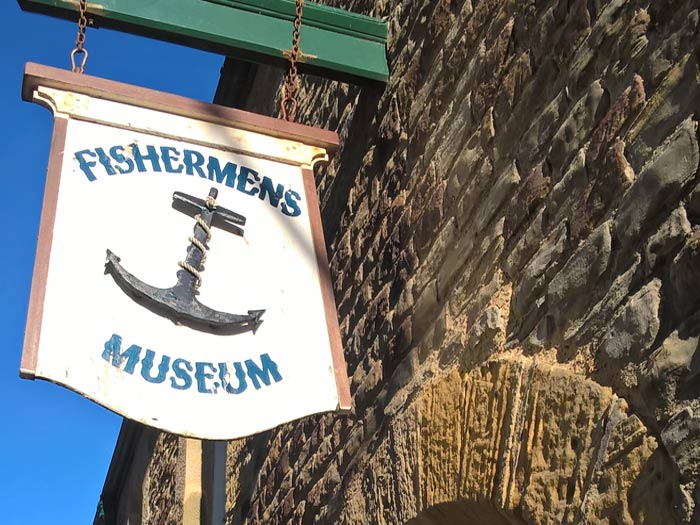
Throughout the medieval period, Hastings flourished as a bustling port town, with its economy heavily reliant on maritime trade and the fishing industry.
The town became renowned for its skilled fishermen, who braved the treacherous waters of the English Channel in search of herring, cod, and other prized catches.
The iconic Hastings fishing fleet, with its distinctive black-tarred wooden boats known as "herring luggers," played a central role in shaping the town's identity and prosperity.
Victorian Era and the Rise of Tourism

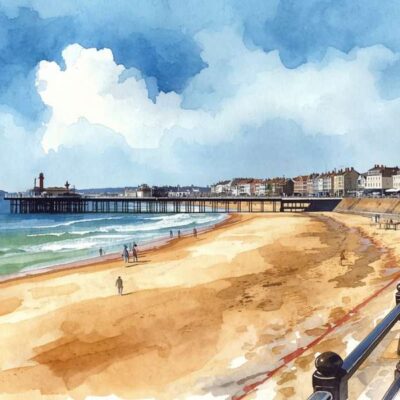
The 19th century saw Hastings undergo a transformation from a modest fishing village to a fashionable seaside resort, thanks in part to the advent of the railway. The arrival of the railway in 1851 made Hastings more accessible to visitors from London and other major cities, sparking a surge in tourism. Grand Victorian hotels, elegant promenades, and ornate pier pavilions sprang up along the seafront, catering to the growing influx of holidaymakers seeking sun, sea, and leisure.
Architectural Splendour and Cultural Heritage
The Victorian era also left an indelible mark on Hastings' architectural landscape, with an array of stately Victorian and Edwardian buildings adorning the town. From the iconic East Hill Lift, a funicular railway dating back to 1903, to the elegant De La Warr Pavilion, a masterpiece of Modernist architecture designed by Erich Mendelsohn and Serge Chermayeff in the 1930s, Hastings boasts a diverse array of architectural gems that reflect its rich cultural heritage.
World War II and the Battle of Britain
Hastings played a significant role during World War II, serving as a vital coastal defence post and playing host to a large contingent of Allied forces. The town endured relentless bombardment during the Battle of Britain, with its iconic seafront bearing witness to the heroic efforts of RAF pilots as they repelled enemy air raids and defended the skies above Britain.
Modern-Day Hastings: A Vibrant Coastal Destination

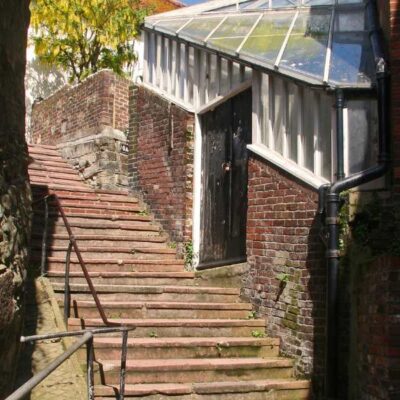
Today, Hastings continues to enchant visitors with its unique blend of history, culture, and natural beauty. The town's charming Old Town, with its cobbled streets, half-timbered houses, and medieval churches, offers a glimpse into Hastings' medieval past. Meanwhile, the bustling seafront promenade buzzes with activity, from traditional fish and chip shops to vibrant art galleries and trendy cafes.
Exploring Hastings: Where History Meets Modernity
As you wander through the streets of Hastings, you'll encounter a tapestry of historical landmarks and cultural treasures waiting to be discovered. From the imposing ruins of Hastings Castle, perched high atop a cliff overlooking the sea, to the enchanting St. Clement's Caves, a network of underground tunnels steeped in myth and legend, each corner of Hastings offers a glimpse into its storied past.
Experience Hastings: Plan Your Visit
Whether you're a history buff, a nature enthusiast, or simply seeking a relaxing seaside retreat, Hastings has something for everyone. Immerse yourself in the town's rich maritime heritage at the Shipwreck Museum, stroll along the picturesque Hastings Pier, or embark on a scenic hike along the breathtaking cliffs of the East Hill. With its fascinating history, vibrant culture, and stunning coastal scenery, Hastings invites you to embark on an unforgettable journey through time.
Plan Your Visit to Hastings Today
Ready to explore the captivating history and scenic beauty of Hastings? Start planning your trip today and discover why this charming coastal town continues to captivate visitors from near and far. With its rich heritage, vibrant cultural scene, and idyllic seaside setting, Hastings offers a holiday experience like no other. Whether you're seeking relaxation, adventure, or a bit of both, Hastings promises an unforgettable getaway that will leave you longing to return time and time again.
Rocklands Self Catering Apartments: Your Perfect Base in Hastings

Rocklands Self-Catering Apartments offer the perfect base for exploring all that Hastings has to offer.
Nestled in the heart of this historic coastal town, Rocklands provides a tranquil retreat away from the hustle and bustle, yet remains conveniently close to Hastings' main attractions.
After a day of sightseeing, return to your luxurious self-catering apartment at Rocklands and unwind in style.
With spacious living areas, modern amenities, and stunning sea views, you'll feel right at home from the moment you arrive.
Whether you're planning a romantic getaway or a weekend escape with friends, Rocklands offers a range of accommodation options to suit your needs.
For more information about Hastings and its attractions, visit: