Hastings Old Town is famous for its twittens — those narrow, winding passageways that slip between houses, climb steep hillsides, and reveal hidden corners of the town that most visitors never find. They’re atmospheric, ancient, and endlessly fascinating.
And while Croft Road Steps are one great example, the real magic lies in the entire network of twittens that criss‑cross the Old Town like veins of history.
What Exactly Is a Twitten?
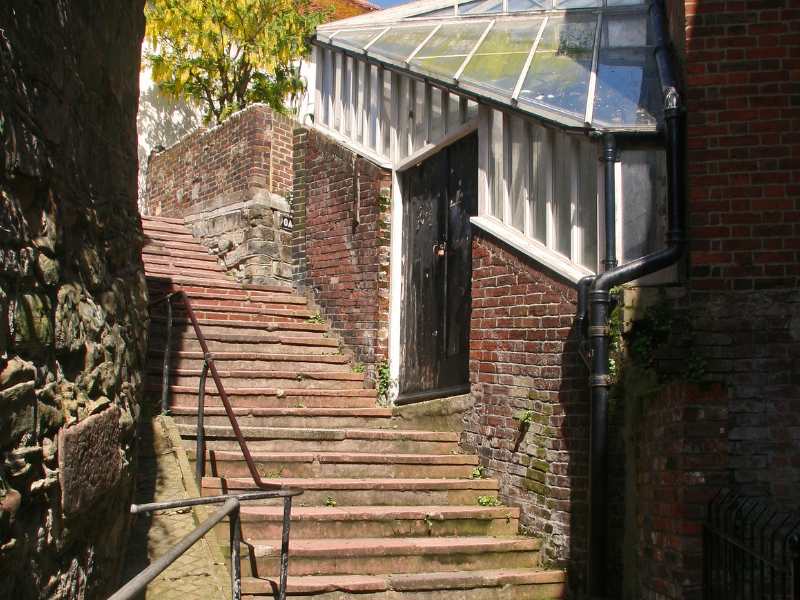
A twitten is a Sussex term meaning a narrow path, alleyway or passage between buildings. The word likely comes from Old English roots — possibly related to twitchel or twitton, meaning a cut‑through or lane. Twittens appear in historic documents across Sussex, but Hastings has some of the most iconic examples.
Twittens were essential in medieval Hastings because:
- Streets were tightly packed between cliffs
- Homes were built close together for protection
- People needed shortcuts between steep hillsides
- Smugglers needed hidden routes to move contraband
- Fishermen used them to reach the beach quickly
- Traders used them to carry goods between workshops
They were the lifelines of Old Hastings — practical, secretive, and full of everyday life.
Why Hastings Has So Many Twittens
Hastings Old Town sits in a natural valley between East Hill and West Hill, which forced medieval builders to create a dense, compact settlement. Houses were squeezed into every available space, and twittens became the quickest way to move around the town.
They connected:
- fishing families living near the beach
- traders working in workshops behind the main streets
- hillside cottages perched above the Old Town
- churches, inns and market areas
- hidden cellars and storage rooms
Twittens weren’t just shortcuts — they were the infrastructure of a town built before cars, buses or wide roads.
Twittens as Smuggling Routes
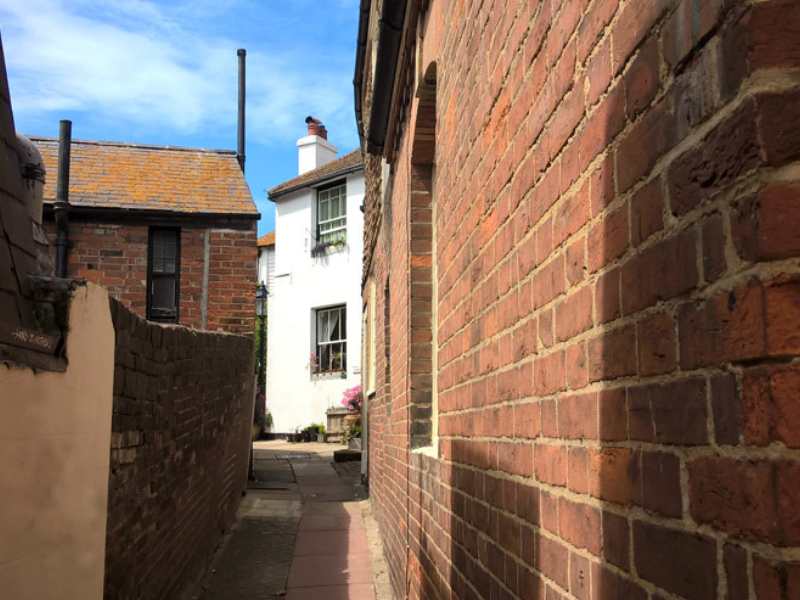
Hastings has a colourful smuggling history, especially during the 18th century when high taxes made contraband profitable. The Old Town’s twittens were perfect for smuggling because:
- They were narrow and easy to defend
- They twisted unpredictably, confusing pursuers
- They connected homes, inns and hidden cellars
- They allowed smugglers to move goods from the beach to safe houses
Twittens like St Clement’s Passage and the hidden lanes behind All Saints Street were known smuggling routes. Many cottages had secret storage spaces accessed through twittens — perfect for hiding brandy, tobacco or silk.
Twittens as Escape Routes
Hastings was attacked multiple times by the French during the medieval period. Narrow twittens allowed residents to:
- escape quickly up the hills
- hide in woodland or caves
- move between homes without using main streets
The geography of Hastings — cliffs, glens, steep hills — made twittens essential for survival.
Twittens as Everyday Life Paths
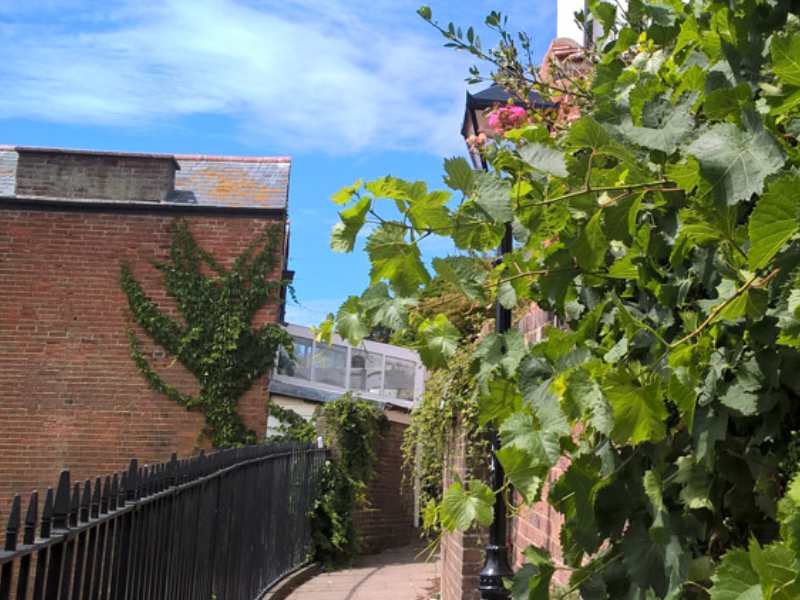
Not all twitten stories are dramatic. For centuries, they were simply part of daily life:
- children ran through them on the way to school
- fishermen used them to reach the beach at dawn
- women carried baskets of bread, fish and vegetables
- neighbours visited each other through back passages
- traders moved goods between workshops and market stalls
Twittens were the social fabric of the Old Town — shortcuts, meeting places, gossip routes and practical pathways.
The Most Atmospheric Twittens in Hastings
Below is a curated list of the most characterful twittens — each one beginning with a Guided Link, exactly as required.
- Tamarisk Steps — steep, dramatic, and full of old‑world charm.
- St Clement’s Passage — medieval stonework and a timeless stillness.
- Winding Street — twisting lanes and storybook architecture.
- Hill Street Cut‑Throughs — quiet, historic and beautifully preserved.
- High Street Twittens — hidden gardens and tucked‑away cottages.
- All Saints Street Twittens — centuries‑old homes and secret routes.
- Croft Road Steps — steep climbs leading to peaceful hilltop views.
- West Hill Paths — narrow lanes leading to Hastings Castle.
- East Hill Zig‑Zag Paths — dramatic views over the Stade and fishing fleet.
Each twitten has its own personality — some quiet, some dramatic, some steep, some winding — but all of them feel deeply connected to Hastings’ past.
How to Explore Hastings Twittens Like a Local
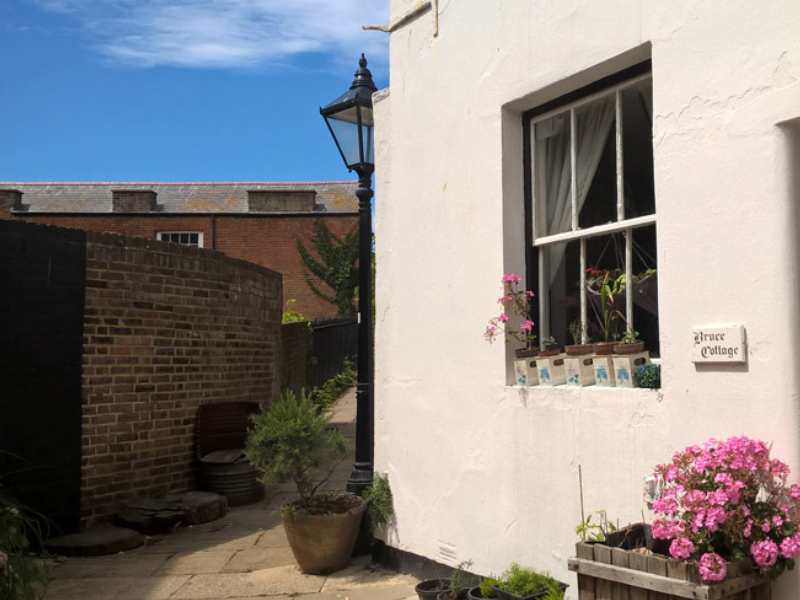
- Wear comfortable shoes — many twittens are steep or uneven.
- Go slowly — the charm is in the details: old door knockers, carved beams, tiny windows.
- Explore early or late — twittens are especially atmospheric in soft morning or evening light.
- Bring a camera — these passages are full of beautiful angles and historic textures.
- Follow your curiosity — the best twittens are often the ones you stumble upon accidentally.
Why Twittens Matter Today
Twittens aren’t just relics — they’re part of Hastings’ identity. They tell the story of a medieval town built tightly between cliffs, shaped by fishermen, smugglers, traders and families who lived here for generations. Walking them is one of the most intimate ways to experience the Old Town’s history and charm.