If you’ve ever wandered through Hastings Old Town and felt that little tingle — that sense that the streets have seen more than you can imagine — you’re not wrong.
Hastings is one of those places where history isn’t just something you read about; it’s something you feel under your feet, hear in the gulls overhead and see in the timber‑framed houses leaning gently into the narrow lanes.
Let me take you on a friendly walk through Hastings’ past — from its Norman beginnings to its smuggling legends — and show you the historic spots you can still explore today.
Norman Roots: Where England’s Most Famous Battle Echoes Through Time

Even if you’re not a history buff, you’ve definitely heard of the Battle of Hastings. It’s the one date everyone remembers from school: 1066. But here’s the twist — the battle didn’t actually take place in Hastings. It happened a few miles inland at what is now Battle Abbey.
Still, Hastings played a crucial role. When William the Conqueror landed on the Sussex coast, he set up camp near Hastings before marching inland to face King Harold. The town became a strategic base for the Normans, and its importance grew rapidly.
Visit Today: Battle Abbey
- Entry: Adults £15, Children £9 (English Heritage members free)
- Why go: You can stand on the actual battlefield, explore the atmospheric abbey ruins and walk through interactive exhibits that bring 1066 to life. It’s one of those places where you genuinely feel the weight of history.
A Medieval Port Town With a Wild Side

By the 12th century, Hastings had become one of the Cinque Ports, a group of coastal towns responsible for supplying ships and sailors to the Crown. This gave Hastings wealth, influence and — unsurprisingly — a bit of a rebellious streak.
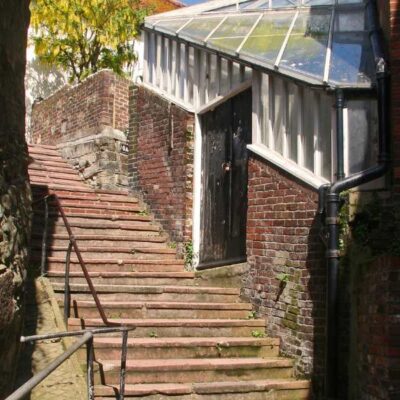
Storms, fires and French raids battered the town over the centuries, but Hastings always rebuilt itself. The Old Town’s layout still reflects its medieval roots, with narrow twittens (tiny passageways) and timber‑framed houses that look like they’ve stepped straight out of a storybook.
Visit Today: Hastings Castle
- Entry: Adults £6.25, Children £5
- Why go: Built by William the Conqueror, this cliff‑top ruin offers sweeping views over the town and sea. It’s atmospheric, dramatic and perfect for anyone who loves a good castle ruin.
Smugglers, Secret Tunnels and the Dark Side of the Coast
Now here’s where Hastings gets really fun. In the 18th and early 19th centuries, smuggling wasn’t just a shady hobby — it was practically a local industry. High taxes on tea, brandy, tobacco and silk meant smugglers could make a fortune bringing goods in under cover of darkness.
Hastings was home to one of the most notorious smuggling gangs in the country: the Hawkhurst Gang. These guys weren’t messing around — they ran operations across Kent and Sussex, and their influence reached deep into Hastings’ hidden corners.
The town’s cliffs and caves made it the perfect place to stash contraband. Many of the tunnels and caverns still exist today, and you can explore them without needing a lantern or a questionable moral compass.
Visit Today: Smugglers Adventure
- Entry: Adults £9.50, Children £7.50
- Why go: Set inside St. Clements Caves, this attraction takes you through the real caverns used by smugglers. It’s atmospheric, a little spooky and full of stories that make you realise just how wild Hastings once was.
Fishing Heritage: A Town Built on the Sea
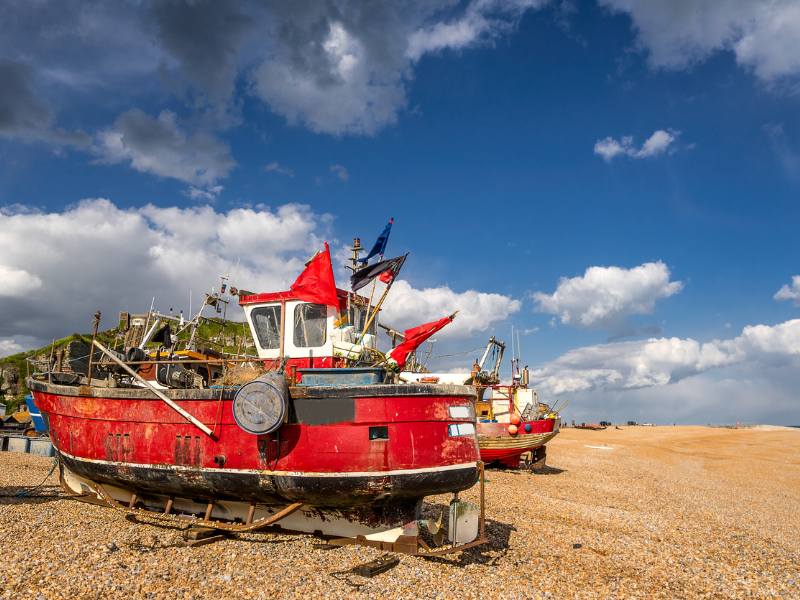
Even with all its drama, Hastings has always been a fishing town at heart. The Hastings Fishing Fleet is the largest beach‑launched fleet in Europe, and the tall black net huts on the shingle beach are iconic.
Fishing here hasn’t changed much in centuries. Boats are still hauled onto the beach, nets are still dried in the same wooden huts, and the community remains fiercely proud of its maritime roots.
Visit Today: Hastings Fishermen’s Museum
- Entry: Free (donations welcome)
- Why go: Housed in an old chapel, this museum is packed with stories, photos and artefacts from Hastings’ fishing past. It’s small, friendly and full of charm — the kind of place you wander into and end up staying longer than you expected.
Victorian Seaside Glamour

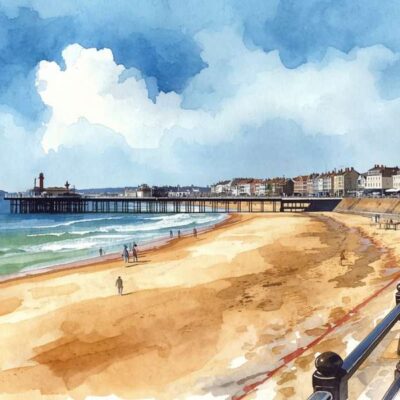
By the 19th century, Hastings had reinvented itself yet again — this time as a fashionable seaside resort. Visitors flocked to the town for sea air, promenades and entertainment. The pier (rebuilt in 2016) became a centrepiece of Victorian leisure.
The seafront still carries that elegant charm, with grand buildings, wide promenades and a sense of nostalgia that makes you want to grab an ice cream and stroll along the beach.
Visit Today: Hastings Pier
- Entry: Free
- Why go: Whether you’re here for sea views, food stalls or live events, the pier is a lovely place to soak up Hastings’ Victorian spirit.
A Town That Keeps Reinventing Itself
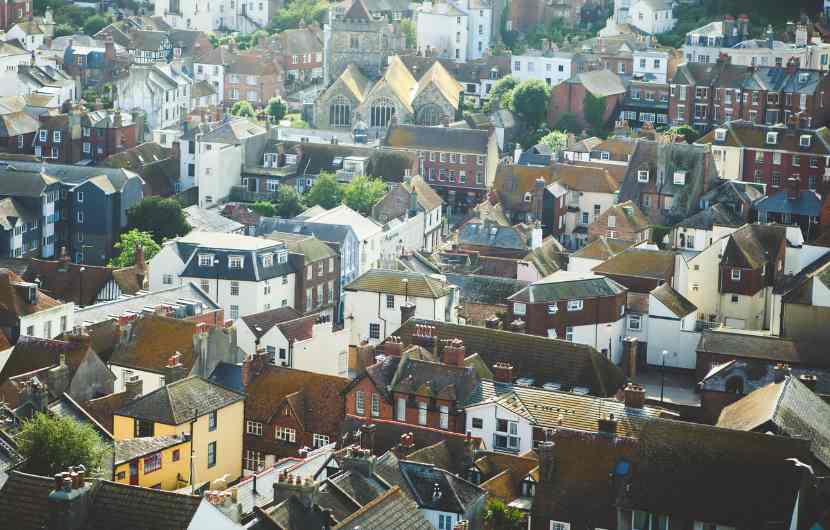
What I love most about Hastings is how it blends old and new. You can spend the morning exploring medieval streets, the afternoon learning about smugglers, and the evening enjoying modern art at Hastings Contemporary. It’s a town that refuses to sit still — and that’s part of its charm.
Visit Today: Hastings Contemporary
- Entry: Adults £12, Children £6
- Why go: This modern art gallery sits right on the fishing beach, creating a striking contrast between old and new. The exhibitions are always fresh, bold and worth a visit.
Final Thoughts: Why Hastings’ History Feels So Alive
Some towns have history you read about. Hastings has history you feel. It’s in the cobbles, the cliffs, the sea breeze and the stories that locals still tell. Whether you’re exploring Norman ruins, wandering through smugglers’ caves or watching fishing boats pull onto the beach, Hastings makes its past part of your present.
If you’re planning a visit, bring comfy shoes, a curious mind and maybe a camera — because this town has a way of surprising you at every turn.