Hastings, a picturesque seaside town in East Sussex, holds a treasure trove of history that spans over a thousand years.
Known for its famous connection to the Norman Conquest in 1066, Hastings has a rich and varied past filled with tales of invasions, battles, fishing heritage, and smuggling escapades.
A walk through the town offers a glimpse into its fascinating history, with historical landmarks and hidden stories waiting to be discovered.
Let’s dive into the key moments in Hastings’ history and explore the best sites that bring it to life.
The Norman Conquest and Hastings’ Crucial Role

Hastings is most famously associated with the Battle of Hastings in 1066, a turning point in English history. This decisive battle occurred a few miles away in Battle, a town named after the event. After defeating King Harold II, William the Conqueror became the first Norman King of England. The site of the battle is now home to Battle Abbey, founded by William himself as a memorial to the fallen.
Today, visitors can explore Battle Abbey and Battlefield, a well-preserved English Heritage site where you can walk the battlefield and learn about the dramatic events that unfolded there. The visitor centre features a fascinating exhibition on the Norman Conquest, and you can climb the abbey’s tower for panoramic views. Entry costs £15 for adults and £9 for children.
Hastings Castle: A Norman Stronghold

The Hastings Castle ruins sit on the West Hill, overlooking the sea. Originally built as a wooden fortress by William the Conqueror, it was one of the first Norman castles constructed in England. Later rebuilt in stone, it served as a crucial defensive structure in the years following the Norman Conquest.
Despite being damaged by storms and erosion over the centuries, the castle’s ruins remain a striking reminder of Hastings’ past. Visitors can explore the dungeons and enjoy an audiovisual presentation that brings the castle's history to life. Admission costs £6 for adults and £4 for children.
A Smuggler’s Paradise
In the 18th and early 19th centuries, Hastings was notorious for smuggling. The town’s position along the south coast made it an ideal location for smuggling contraband like brandy, tobacco, and silk. Smugglers used secret tunnels and hidden passages to transport goods; many of these tales are still part of the town’s folklore.
For a deep dive into this shadowy chapter of Hastings’ history, visit the Smugglers Adventure in the caves of St Clement’s. This immersive attraction takes visitors through the dark, winding caves once used by smugglers. Life-sized figures and sound effects bring the experience to life, making it a great way to learn about this dangerous yet captivating part of the town’s history. Entry costs £8.50 for adults and £6.50 for children.
Hastings’ Fishing Heritage

Hastings has a long-standing fishing tradition, and the town is home to the largest beach-launched fishing fleet in Europe. Fishing has been a way of life here for centuries, with local fishermen launching their boats directly from the shingle beach at The Stade.
To learn more about Hastings’ fishing heritage, visit the Hastings Fishermen’s Museum (free entry). The museum displays photographs, artefacts, and a full-sized fishing boat in a former chapel. Adjacent to the museum is the Shipwreck Museum, which showcases artefacts recovered from wrecks along the south coast.
Victorian Hastings and the Rise of the Seaside Resort

Hastings transformed into a fashionable seaside resort during the Victorian era. With the arrival of the railway in the mid-19th century, it became a popular destination for holidaymakers seeking fresh air and sea views. Many of the town’s iconic landmarks, such as the Hastings Pier and the grand Victorian houses in St Leonards, were built during this time.
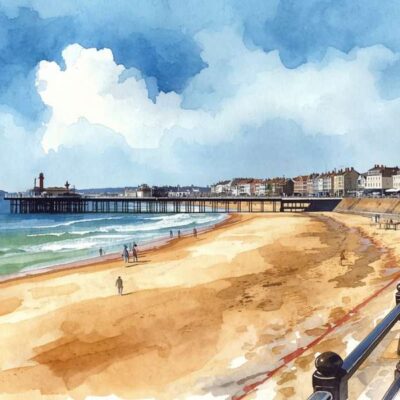
Today, visitors can still enjoy a classic seaside experience. Take a stroll along the refurbished Hastings Pier, enjoy fish and chips on the seafront, or relax on the town’s beaches.
Hastings Old Town: A Window into the Past
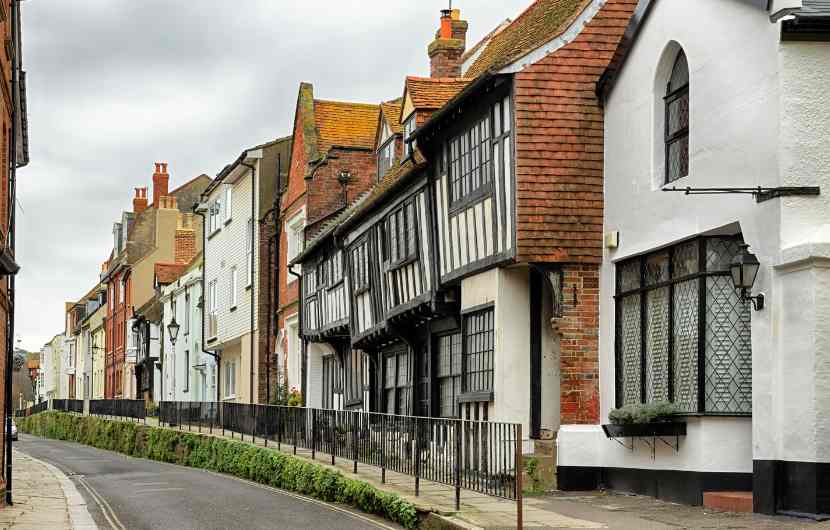
Hastings Old Town is a charming mix of medieval and Georgian architecture, with narrow streets and quirky buildings. Walking through the Old Town feels like stepping back in time. Visit St Clements Church, a beautiful 14th-century church with impressive stained glass windows, or wander through All Saints Street, which boasts some of the oldest houses in Hastings.
The Old Town is also home to several independent shops, galleries, and traditional pubs. Stop by The Stag Inn, one of the oldest pubs in Hastings, for a drink in an authentic historical setting.
Modern History and the Arts Scene

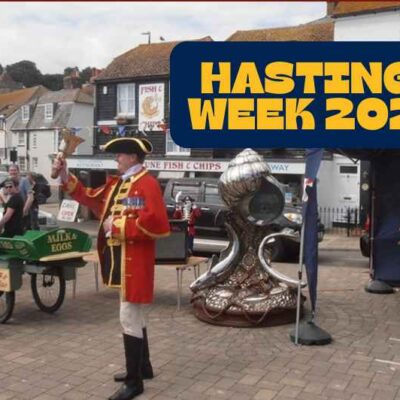
Hastings continues to evolve while embracing its rich history. In recent years, it has gained a reputation as a hub for creativity and the arts. The Hastings Contemporary, a modern art gallery on the seafront, showcases work from contemporary British and international artists. The town also hosts several festivals throughout the year, including Jack in the Green, a traditional May Day celebration, and Hastings Old Town Carnival Week in August.
Conclusion
Hastings is a town where history is woven into every street and seafront corner. From its Norman roots and smuggling tales to its Victorian charm and fishing heritage, there’s no shortage of stories to uncover.
If you're looking for Self Catering Apartments in Hastings, Rocklands is the place for you. We offer the perfect base to explore this fascinating town and its surroundings. Whether you’re walking in the footsteps of Norman knights or uncovering tales of smugglers, Hastings offers a journey through time that will leave you with lasting memories.